Safety and transitions
Loose edges, height changes, and damaged transitions should be reviewed before they create avoidable trip concerns.
Repairs and business spaces
Floor repair and small-business flooring projects need practical planning around safety, traffic, transitions, downtime, and whether repair or replacement is the better path.
Planning questions? Review the flooring FAQ before sending project details.
Service guide
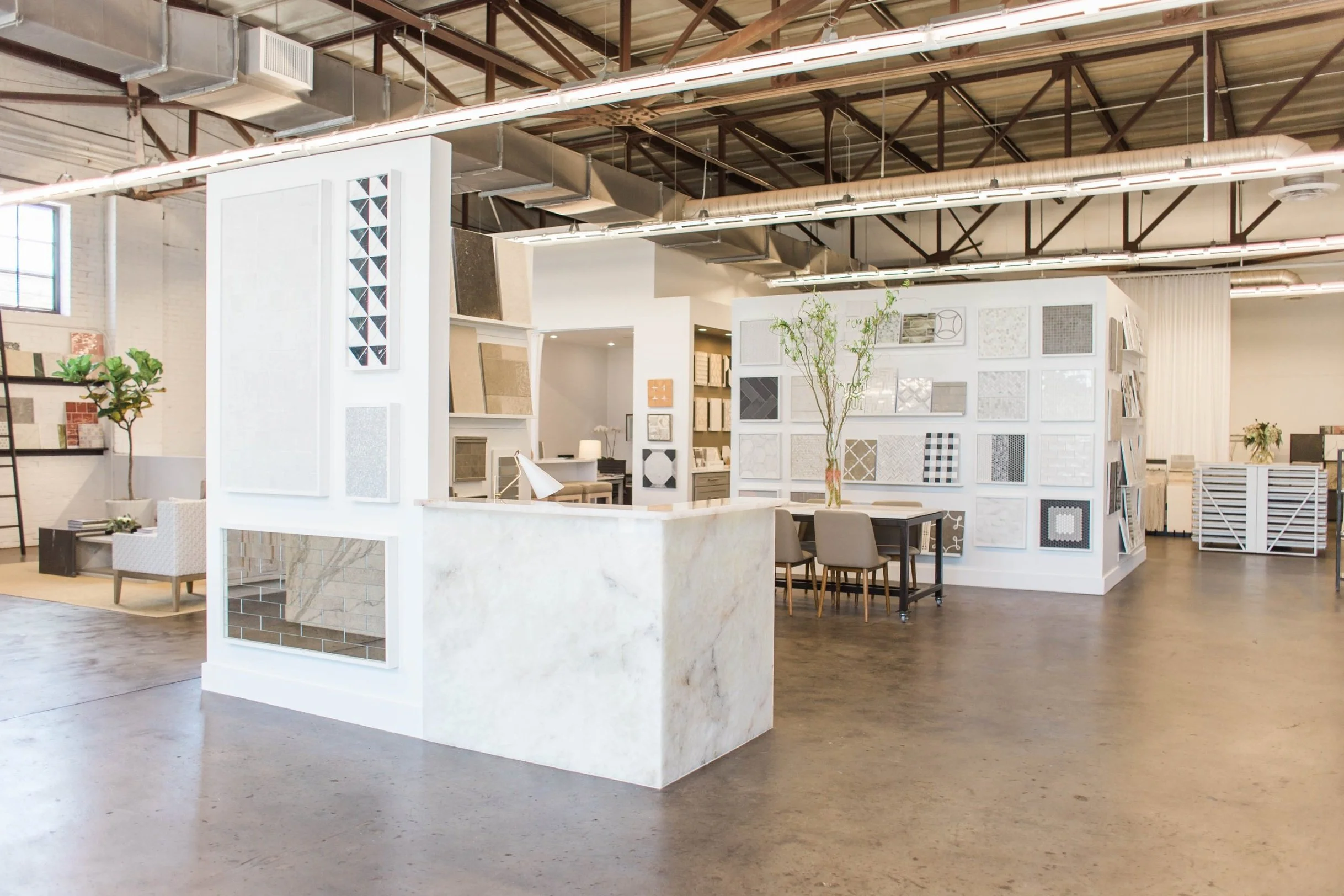
Repair work can include damaged planks, loose transitions, uneven areas, small replacement zones, or flooring that no longer meets the room's use. Commercial flooring planning adds traffic, safety, schedule, and disruption concerns for offices, shops, and service businesses.
Process
Review the damaged area, trip hazards, moisture, subfloor issues, product match, and whether a patch will look acceptable.
Compare the cost, appearance, safety, and durability of repairing a section versus replacing the full room or business area.
For commercial spaces, discuss work hours, customer access, furniture or fixture movement, cleanup, and business downtime.
Finished result
The result should reduce safety issues, clean up damaged transitions or surfaces, fit the expected foot traffic, and give the owner a realistic repair or replacement path.
Loose edges, height changes, and damaged transitions should be reviewed before they create avoidable trip concerns.
Existing material may be discontinued or weathered, so a repair estimate should discuss match limits honestly.
Small-business projects need clear scheduling expectations around customer access, employees, and downtime.
Estimate request
Include the damaged area, business or residential use, timing limits, existing floor type, and whether the space must stay open during work.