Material choice
Compare ceramic, porcelain, or stone based on the room and how it is used.
Moisture-ready rooms
Tile flooring is a durable, easy-to-clean choice for high-use rooms such as kitchens, bathrooms, laundry rooms, and entries. Its hard surface handles everyday traffic, spills, and frequent cleaning while offering a wide range of colors, patterns, and textures to fit the space.
Have planning questions? Review the flooring FAQ, then share your project details.
Service guide
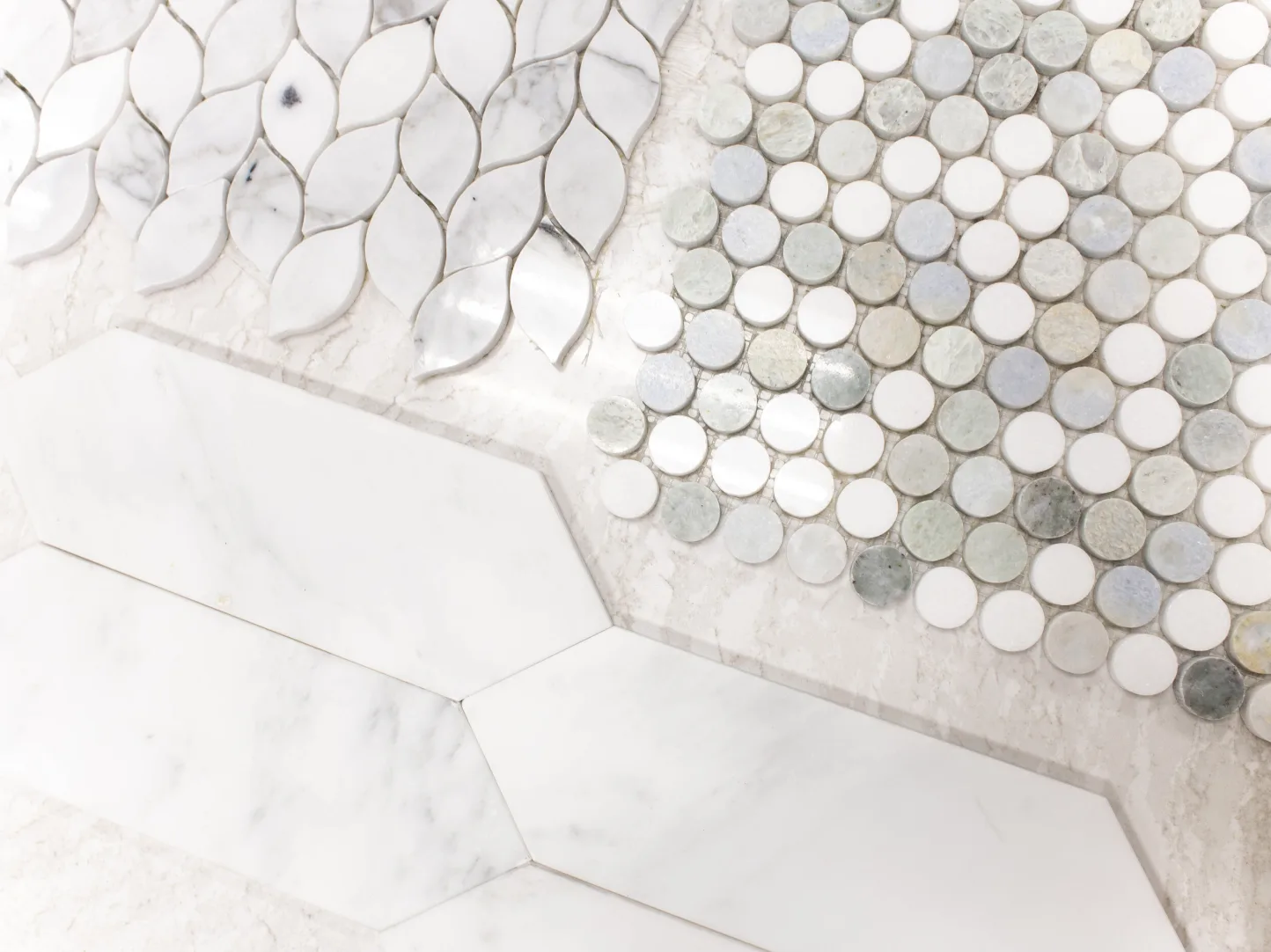
Tile flooring can include ceramic, porcelain, and natural stone. Ceramic is often a practical and economical choice with many colors and textures. Porcelain is denser and less water-absorbent. Natural stone offers distinctive character but usually needs more careful material selection and maintenance planning.
Process
Compare ceramic, porcelain, or stone based on moisture, foot traffic, cleaning expectations, style, and budget.
Check flatness, underlayment, movement joints, grout width, pattern direction, thresholds, and cuts around fixtures.
Confirm grout color, trim pieces, transitions, baseboards, and how the tile meets cabinets, tubs, showers, or nearby flooring.
Estimate planning
The right details depend on the material, room, existing floor, and way the space is used. These are the main questions to bring into an initial conversation.
Compare ceramic, porcelain, or stone based on the room and how it is used.
Review flatness, grout, layout, fixtures, cuts, and substrate preparation.
Plan for moisture, thresholds, trim, and transitions between flooring materials.
Finished result
A finished tile floor should feel solid, clean up well, suit the moisture level of the room, and have a layout that looks intentional instead of patched around obstacles.
Ceramic tile can be economical and flexible for many interior rooms when the glazed surface and installation details fit the use.
Porcelain is dense, durable, and often chosen when water resistance or a stone-look alternative is important.
Stone can add distinctive character, but material cost, scratching, sealing, and maintenance should be discussed up front.
Estimate request
Share the room type, approximate size, existing flooring, tile preferences, timing, and any moisture or slope concerns.
Keep planning
Review practical answers about materials, preparation, timing, transitions, and the details that can affect an estimate.